
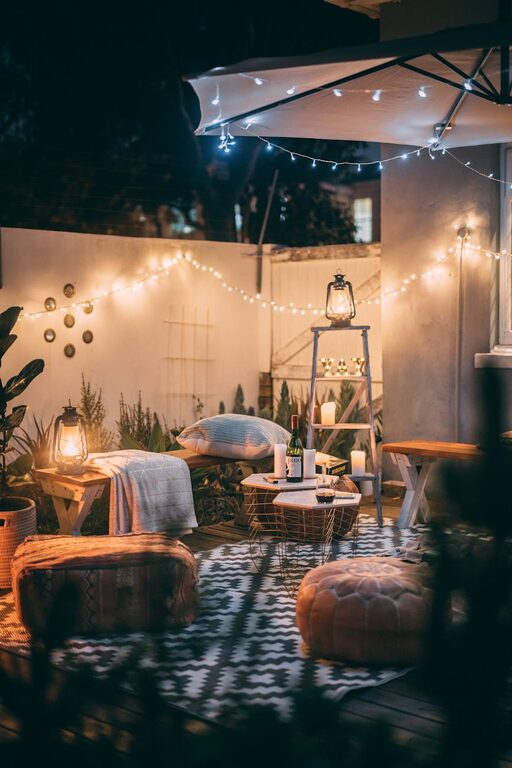
Creating a comfortable home environment involves many factors, and one of the most impactful is lighting. Good lighting doesn’t just illuminate a space—it sets the mood, enhances functionality, and even affects your well-being. If you’re wondering how to choose lighting that’s easy on the eyes and suits your lifestyle, this guide offers practical tips to help you find the perfect light for every room.
Why Comfortable Lighting Matters
Lighting influences how we experience and use our homes. Too harsh or dim lighting can cause eye strain, headaches, or a general feeling of discomfort. On the other hand, well-planned lighting improves concentration, relaxation, and overall happiness at home.
Comfortable lighting balances brightness, color, and placement to create an inviting atmosphere. It adjusts to the tasks you perform and complements your interior style.
Understand Different Types of Home Lighting
There are three main types of home lighting. Knowing these helps you layer your lighting effectively:
1. Ambient Lighting
This is your room’s general lighting that illuminates the whole space. Examples include ceiling fixtures, chandeliers, or recessed lights. Ambient lighting should be bright enough to comfortably see and move around.
2. Task Lighting
Task lighting focuses light on specific areas for activities like reading, cooking, or working. Desk lamps, under-cabinet lights, or pendant lights over a kitchen island fall under this category.
3. Accent Lighting
Accent lighting highlights architectural features, artwork, or decorative items. It adds depth and visual interest to your home. Wall sconces, track lighting, and LED strip lights are common options.
Tips for Choosing Comfortable Home Lighting
1. Consider Color Temperature
Color temperature, measured in Kelvins (K), affects how light looks and feels:
– Warm light (2700K to 3000K) offers a cozy, relaxing atmosphere. Ideal for bedrooms and living rooms.
– Neutral light (3500K to 4500K) provides clear, natural light. Suits kitchens, bathrooms, and workspaces.
– Cool light (5000K+) mimics daylight, which can be too harsh for living spaces but useful in garages or task areas.
Select lighting that matches the room’s function and your personal comfort.
2. Opt for Adjustable Lighting
Installing dimmer switches or smart bulbs lets you customize brightness throughout the day. Soft, low light in the evening helps you wind down, while brighter morning light energizes you.
3. Choose Fixtures That Reduce Glare
Glare can cause eye discomfort. Look for shades or diffusers that soften and spread light evenly. Frosted bulbs or lampshades made of fabric or paper create a gentle glow instead of harsh shadows.
4. Use Multiple Light Sources
Relying on a single overhead light can create uneven lighting and shadows. Layer different types of lighting to balance brightness. For example, combine ceiling lights with table lamps and floor lamps.
5. Match Lighting with Room Size and Layout
Large rooms may require multiple fixtures or higher-wattage bulbs to provide adequate ambient light. Small rooms benefit from smaller fixtures or lower wattage to avoid overwhelming the space.
Position lights near seating areas, workspaces, or frequently used spots for convenience.
6. Choose Energy-Efficient Bulbs
LED bulbs consume less energy and last longer than traditional incandescent bulbs. They also come in a variety of color temperatures and dimmable options, helping you maintain comfortable lighting while saving electricity.
7. Pay Attention to Light Direction
The direction light shines influences comfort. Downward lights work well over tables, while uplights can create a soft ambient glow. Adjustable fixtures allow you to direct light where it’s needed most.
Tips for Specific Rooms
Living Room
Aim for layered lighting combining ambient and accent lights. Use warm light to create a cozy, inviting space. Table lamps near seating areas add comfort for reading or relaxing.
Kitchen
Bright, neutral lighting works best here. Combine overhead lighting with task lights under cabinets for clear visibility when preparing food.
Bedroom
Use warm, dimmable lights to promote relaxation. Bedside lamps or sconces provide soft light for reading without disturbing a partner.
Bathroom
Bright, neutral or cool light is ideal for grooming. Consider vanity lights around mirrors and overhead lighting with minimal shadows.
Final Thoughts
Choosing the right home lighting is a mix of art and science. By understanding different lighting types, focusing on comfort elements like color temperature and glare reduction, and layering light sources thoughtfully, you can craft a space that’s both beautiful and easy on the eyes. Remember to think about how you use each room and adjust your lighting choices accordingly.
With these tips in mind, your home can become a well-lit haven that feels comfortable day and night. Happy lighting!