
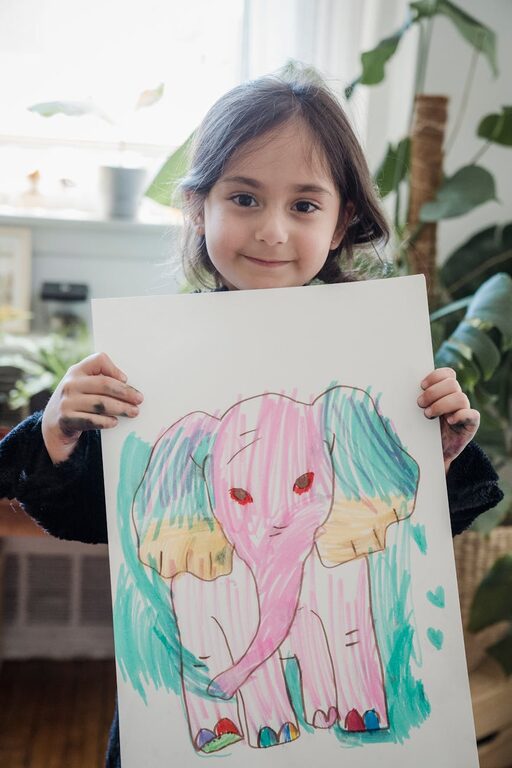
Keeping your child’s artwork organized can feel like a daunting task. With countless drawings, paintings, and crafts coming home from school or created during playtime, it’s easy for these precious creations to pile up and create clutter. However, with a few simple strategies, you can preserve those special memories while maintaining a tidy space. This post offers practical tips to help you organize your kids’ art thoughtfully and efficiently.
Why Organize Kids’ Art?
Before diving into methods, it’s helpful to understand why organizing your children’s artwork matters. Aside from keeping your home tidy, organized art helps:
– Preserve memories and milestones
– Encourage your child’s creativity by showcasing their work
– Prevent damage to fragile pieces
– Make it easier to revisit and enjoy the art later
Assess and Sort Artwork Regularly
Set a Schedule
One of the best ways to manage the influx of art is to review it regularly. Pick a consistent schedule, such as once a week or month, to sort through new pieces. This helps avoid overwhelming piles.
Categorize
Sort artwork into categories that make sense for your family. Some popular ways include:
– By child, if you have multiple kids
– By date or school year
– By type, such as drawings, paintings, or crafts
This early step makes storage and retrieval easier.
Display Favorites Creatively
Use Rotating Displays
Designate a specific area—like a bulletin board, string line with clips, or a magnetic wall—for showcasing favorite pieces. Rotate art regularly to keep the display fresh and encourage your child’s pride in their work.
Frames and Shadow Boxes
For particularly special or three-dimensional projects, use frames or shadow boxes. These not only protect the art but also turn it into home décor.
Create a Storage System
Portfolios and Binders
Flat artworks fit well into large art portfolios or binders with plastic sleeves. Label each portfolio with your child’s name and date range for easy access.
Storage Boxes
For bulkier projects, consider sturdy plastic bins or cardboard boxes. Clear bins let you see inside easily, while decorative boxes can blend with your home décor.
Digital Archiving
Digitizing art is a great way to keep memories without the physical clutter. Use a smartphone or scanner to create digital copies, then organize them in folders or photo apps.
Use Technology to Organize and Share
Art Apps
Several apps specialize in storing children’s artwork. They allow you to upload photos, tag them with dates and descriptions, and even create photo books. Examples include Artkive and Keepy.
Create Digital Photo Books
Compile digitized art into photo books, which make wonderful keepsakes and gifts. Companies like Shutterfly or Mixbook offer easy templates for customizing your collection.
Manage the "Keep or Toss" Challenge
It’s normal to feel guilty about discarding your child’s art, but it’s impossible to keep everything. Here are some tips to decide what to keep:
– Keep unique pieces that show milestones or special effort
– Choose representative samples rather than every single drawing
– Involve your child in the decision to empower their choices
– Repurpose some artworks into cards, gift wrap, or crafts
Repurposing and Upcycling Ideas
Transforming kids’ art into new items can be fun and practical:
– Use drawings to create personalized notebooks or calendars
– Make collages from smaller pieces for wall art
– Turn artwork into magnets or keychains
– Laminate favorite pieces for placemats
Tips for Maintaining the System Long-Term
– Make it easy for kids to add new art by having supplies and storage nearby
– Regularly purge and update your portfolios and boxes, such as at the end of each school year
– Celebrate your child’s creativity by involving them in organizing and displaying their work
– Keep the system adaptable—what works one year might need tweaking the next
Final Thoughts
Organizing your kids’ artwork doesn’t have to be overwhelming. By setting up simple routines and creative storage solutions, you can honor their creativity while keeping your home clutter-free. Remember, the goal is to cherish memories and encourage your child’s artistic journey, not to preserve every single piece. Start small, stay consistent, and enjoy the process of celebrating your little artist’s creations!
—
We hope these tips inspire you to find the perfect way to organize your children’s masterpieces. Happy organizing!